
What’s Your Process?
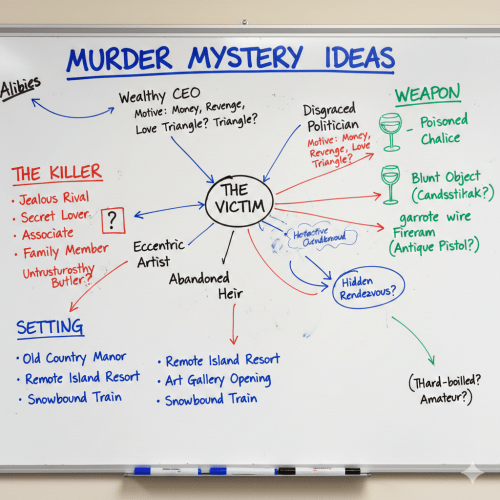
Readers, especially aspiring writers, often ask authors this question: “What’s your process?” A fellow student in my community college fiction class asked me this question, and I became a deer in the headlights. I grappled for a response, so I thought about what I did on my recent publication.
Kernel of an Idea
My stories start with a spark, an idea generated from something I see, know, or imagine. For example, in my cozy mystery novella, Willful Obsession, the story began when I learned that wills, if not found, don’t get honored. Gasp! I imagined a female protagonist who had agreed to be executor for her friend’s will, and knew where the will was, but when her friend dies, the will is missing. Not only is she missing her friend, but she can’t fulfill her friend’s wishes.
Stakes
In order for the circumstances to be a story, I needed to add a plot with a beginning, middle, and end with stakes. By stakes I mean risks for the main character (MC) if she doesn’t find the will and benefits if she does. This would drive the story forward with successes and obstacles along the way. To increase the intensity of the tale, I wanted my character to have an external reason for finding the will (charities would get the proceeds), but also a secret reason for wanting the will to be found that doesn’t get revealed until the end.
Misdirection
Since I was writing a mystery — where’s the will? — I needed some red herrings. I wanted several suspects for taking the will, so I added characters. Since I write in the third-person limited point of view (POV), any characters I added needed to be connected to other characters. This keeps my MC looped into the action. For fun, I added a dog into the story. Since he loves to eat paper, it’s possible he ate the will.
Conflict
The story builds when I consider the conflicts in the story. Ideally, I wanted the characters to have both internal and external conflicts they’re dealing with. I map this out on paper by creating columns with the character names and drawing lines to connect all the characters. This leads me to the setting.
Setting
My hometown became my setting because it’s a charming town, a perfect match for a cozy mystery. I embellished the town to include locations in which all the characters can interact: homes, community garden, church, neighborhood, diner, workplace, etc. I needed places for the characters to run into each other, connect, and move the plot forward.
Characters
I created worksheets for the main characters to develop them: what they look like, how they behave, what motivates them, what habits they may have, what they do, and any quirks they may inhabit. The main characters need backstories as well.
Plot
After imagining a setting and defining characters, I worked on plot by filling up notebooks with a favorite purple pen. Sometimes I write. Sometimes I draw. I even make flow charts. This is where creativity kicks in. For a mystery, I needed to know the ending and work backwards. Characters required story arcs. When I feel like I pretty much know what I’m doing, I work on the scenes.
Scenes
For the scenes, I created a list, pretty much a “this happens then this,” etc. The process is logical for me, but sometimes reordering is required. While doing this, I remember characters need obstacles to overcome, but then they have setbacks. Repeat.
One exercise I do to define my story is to write the following in my paper notebook:
- One sentence of what the story is about
- One paragraph of what the story is about
- One page of what the story is about
This is not an easy process!
Once I have a list of scenes and what needs to occur with which characters, it’s time to start writing.
Writing
I begin the actual writing by creating an opening hook. I imagine the scene. For generating ideas, I think about the story all day long and take walks, swim, and even shower.
The first chapter needs to be compelling. I will probably rewrite it, but it’s a start. I don’t want too many characters on the first page because that will overwhelm the reader. While introducing characters, I set the scene so the reader can envision the setting. For a mystery, the inciting event needs to be very soon, ideally on the first page, but certainly in the first chapter. I write scene after scene and look for natural breaks to end chapters. Because Willful Obsession had a thirty-day timeframe with a deadline, each chapter had a date.
As I write, the characters continue to develop. Sometimes, I discover I need a new character, and I throw them in. Sometimes the story takes a new turn, or the characters tell me what to do. This is the fun part!
I don’t mean to oversimplify this process. It takes a lot of time and effort. But in the end, it’s quite rewarding.
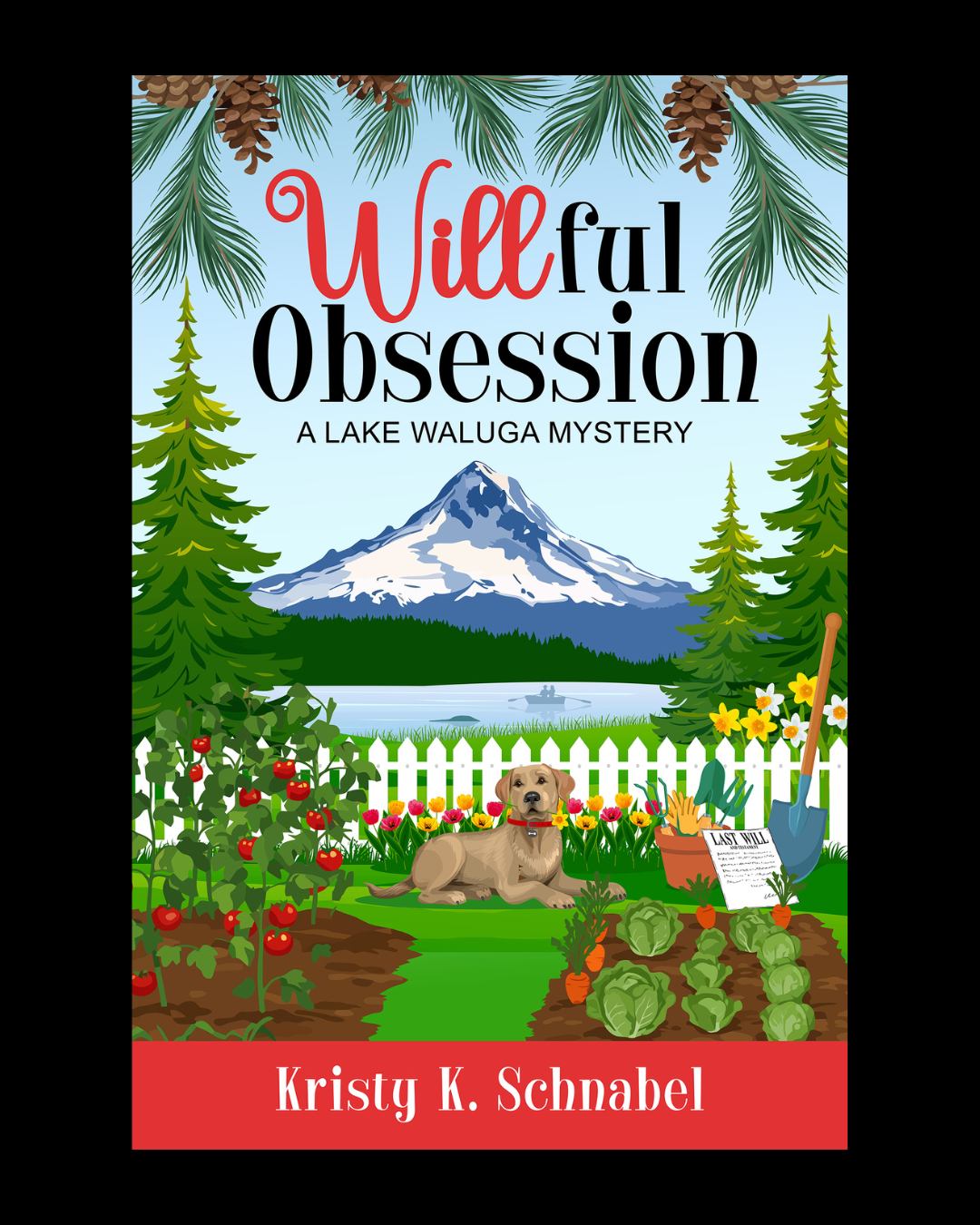
If you want to escape to a compelling, cozy mystery, check out Willful Obsession: A Lake Waluga Mystery. If you admire strong women amateur sleuths, suspenseful stories with surprising twists, quirky characters, a charming town with loads of secrets, community gardens and friendly neighborhoods, and most of all love animals, this story is for you. For reviews and to learn more head here.
 Kristy Schnabel
Leave a comment